
Shadex - Shader Library & NFT Exchange
A decentralized shader library and NFT marketplace built on Internet Computer Protocol, enabling creators to mint, trade, and collaborate on visual effects.

Shadex - Shader Library & NFT Exchange
Shaders as NFTs - decentralized visual programming
Shadex is a decentralized shader library and NFT exchange built on the Internet Computer Protocol. It serves as a marketplace where shader artists can share, discover, and monetize their creations through NFTs, competing directly with platforms like Shadertoy while adding Web3 monetization capabilities.
What is Shadex?
Shadex combines a comprehensive shader library with NFT marketplace functionality, allowing creators to:
- Mint shaders as NFTs - Convert your GLSL creations into tradable digital assets
- Sell access to premium shaders - Monetize your visual effects through NFT sales and royalties
- Build communities - Connect with shader enthusiasts, game developers, and NFT collectors
- Collaborate and remix - Fork existing shaders, create variations, and build on each other's work
- Permanent storage - All shaders stored on-chain ensuring your work is never lost
Key Features
Shader Library
Discovery and Search
- Advanced filtering by technique, complexity, author, and tags
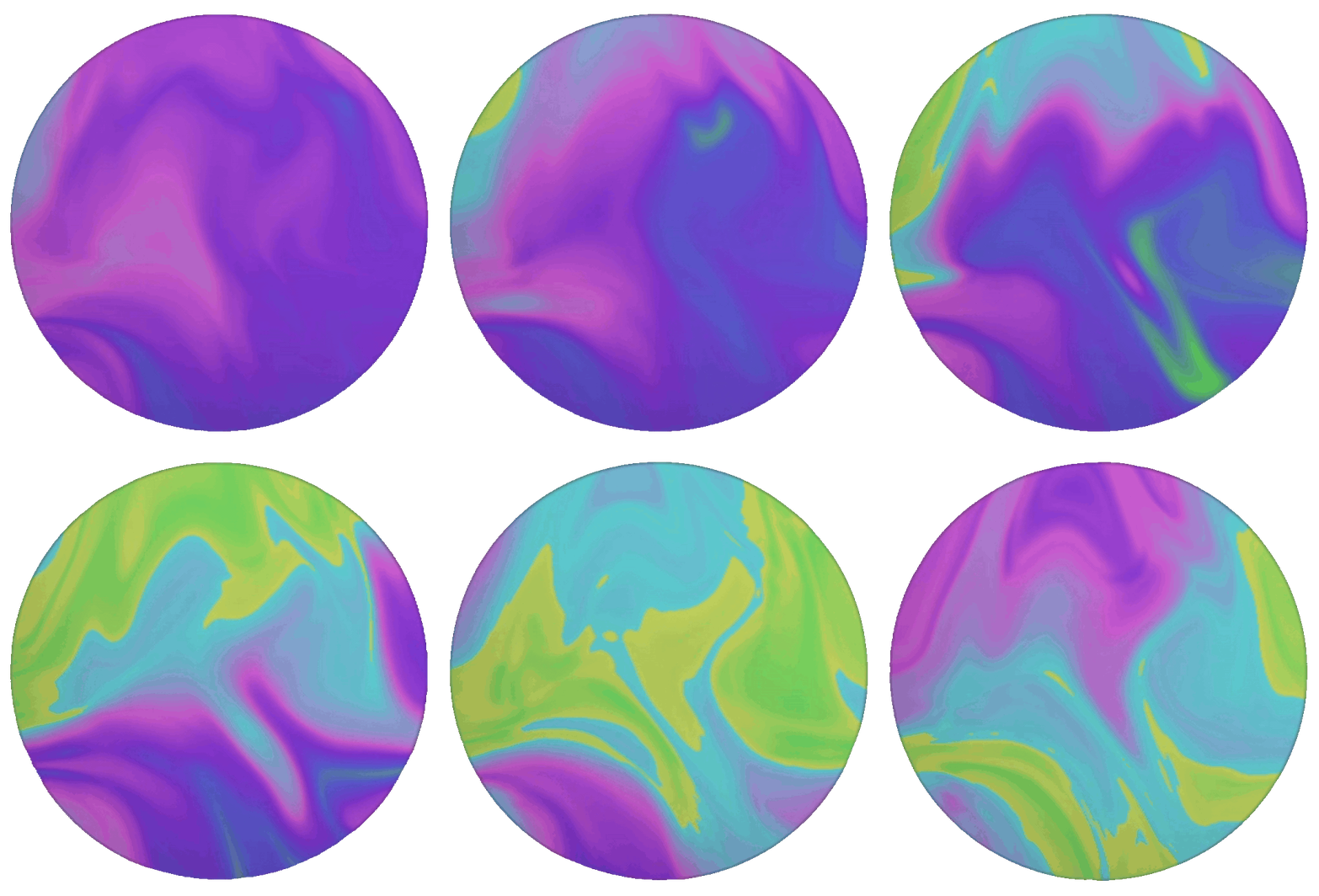
- Visual gallery with thumbnail previews of shader outputs
- Trending algorithms for popular and rising shader discovery
- Curated collections with thematic shader groupings
Collaboration Tools
- Fork and remix existing shaders to create variations
- Live collaboration with real-time co-editing capabilities
- Comment system for technical feedback and improvement suggestions
- Version comparison with side-by-side diff viewing
NFT Marketplace
Minting Process
- One-click minting to convert shaders to NFTs with metadata
- Configure royalty settings for secondary sale percentages
- License options for commercial and personal use permissions
- Bundle creation to group related shaders into collections
Trading Features
- Market-driven pricing with historical data analysis
- Instant sales with fixed-price purchases
- Time-limited auctions with bid tracking
- Portfolio management with personal collection analytics
Rendering Environment
Real-time Preview
- Live editing with instant visual feedback
- Interactive parameter controls with uniform variable sliders
- Multiple outputs for side-by-side shader comparison
- Performance metrics for rendering speed and complexity analysis
Integration Tools
- Code export for external use in games and applications
- Framework support for Three.js, Babylon.js, and other graphics libraries
- API access for programmatic shader integration
- Embed codes for easy website and application integration
Technical Architecture
Shadex employs a multi-canister architecture optimized for shader storage, rendering, and marketplace functionality:
- ShaderCore (Battery) - Core canister handling shader storage, NFT minting, and marketplace logic
- LibrarySvc - Scalable service for shader code, metadata, and version control
- RenderSvc - Live preview rendering, testing environment, and performance monitoring
- MarketSvc - NFT trading, auctions, and royalty distribution
Technology Stack
Backend
- Language: Motoko
- Database: CanDB for scalable storage
- Authentication: Internet Identity
- NFT Standard: DIP-721 implementation
Frontend
- Framework: SvelteKit with TypeScript
- Build Tool: Vite
- Graphics: WebGL with Canvas API fallback
- Editor: CodeMirror-based GLSL editing environment
Use Cases
For Shader Artists
- Monetize your shader creations through NFT sales with automatic royalties
- Permanent storage ensures your visual effects are never lost
- Build a portfolio showcasing both your art and your code
- Connect with a global community of shader enthusiasts and collectors
For Game Developers
- Access premium shader libraries for game effects and VFX
- Cost-effective alternatives to expensive commercial shader assets
- Direct support for shader artists through NFT purchases
- Integrate community-created shaders into game engines
For NFT Collectors
- Own functional code that's also beautiful visual art
- Support shader artists in the growing creative economy
- Potential for shader NFTs to appreciate as they get used in games/films
- Access exclusive visual effects and techniques
For Learners and Educators
- Study high-quality shader examples with proper attribution
- Learn from forked and remixed shader variations
- Community feedback and improvement cycles
- Educational resources and tutorials
Current Status
Shadex is in Concept Phase with core architecture planning underway.
Completed (Concept)
- ✅ Project architecture and technical specification
- ✅ Branding and naming finalized
- ✅ Basic repository structure and documentation
- ✅ Integration planning with ICP ecosystem
In Development (MVP)
- 🚧 Shader storage and retrieval system
- 🚧 Basic WebGL rendering environment
- 🚧 NFT minting infrastructure
- 🚧 Marketplace smart contracts
- 🚧 User authentication and profiles
Roadmap
Q1 2026: Core Platform
- Shader upload and storage system
- Real-time preview and editing environment
- Basic NFT minting and ownership
- User profiles and authentication
Q2 2026: Marketplace Launch
- NFT trading and auction system
- Advanced search and discovery
- Community features and collaboration
- Mobile-responsive interface
Q3 2026: Advanced Features
- Shader forking and remixing tools
- Performance optimization and analytics
- Third-party integrations and APIs
- Educational content and tutorials
Q4 2026: Ecosystem Expansion
- Cross-platform shader compatibility
- Advanced marketplace features
- Community governance and tokenomics
- Enterprise partnerships and integrations
Links
- GitHub Repository - Source code
- Live Demo - Coming soon
- Discord - Join our community (coming soon)
- Twitter/X - Follow for updates (coming soon)
Why Shadex?
Shader programming represents a unique intersection of art, mathematics, and programming:
- Growing Community - Thousands of shader artists on platforms like Shadertoy
- Commercial Value - Shaders used in games, films, VFX, and web design
- NFT Potential - Visual effects are perfect for tokenization and trading
- Educational Value - Shaders teach advanced graphics programming
- Community Culture - Strong collaborative and open-source traditions
Shadex leverages these characteristics to create a Web3-native shader platform where creativity meets blockchain technology to create a censorship-resistant marketplace for digital visual effects.
This post documents the Shadex project - a decentralized shader library and NFT exchange on the Internet Computer Protocol. For detailed technical documentation, visit the master documentation.